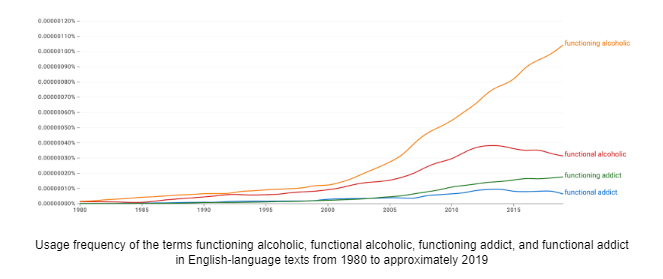
In today’s fast-paced world, the term functional addict or alcoholic (referred to as functional substance user below) has emerged to describe individuals who manage to maintain a semblance of normalcy while battling substance use issues.
The term functional substance user refers to individuals who maintain levels of responsibility and normalcy in daily activities despite their ongoing substance use. This paradoxical situation raises important questions about the nature of addiction and the deceptive appearance of control and success.
Functionality in this context does not imply a lack of serious issues. Rather, it suggests a coping mechanism that allows individuals to meet daily obligations while masking deeper problems. This phenomenon illustrates the need to look deeper into understanding substance use, moving beyond stereotypes to acknowledge the unique realities of those who might not fit the traditional image of a substance user.
Defining Functional Substance Use
Functional substance use challenges the traditional image of substance dependence, highlighting a broad spectrum where addiction and functionality can coexist, at least superficially. Functional substance users often manage to keep their substance use hidden from colleagues, friends, and family, preserving their roles and responsibilities in all outward appearances.
Such functionality is deceptive; it masks the internal struggles and complexities associated with addiction. For these people, substance use becomes a privately managed aspect of their lives and is not immediately apparent to outsiders. This hidden nature can delay recognition and intervention, allowing the substance use to become deeply entrenched. While they are maintaining outward success, functional substance users are often engaged in a constant battle with their dependencies, struggling internally with the effects that are not visible externally.
This group typically includes professionals, parents, and community members who perform their roles efficiently but turn to substances as a coping mechanism for stress, emotional distress, or psychological issues. The façade of functionality often leads to a lack of acknowledgement of their substance use as a problem, both by themselves and by those around them. This denial and invisibility can exacerbate the issue, making it harder to identify and address.
The Myth of Functionality
The concept of a functional substance user is inherently misleading, suggesting a manageability that is rarely sustainable. While people may appear capable and efficient, the notion of functionality obscures the deep-seated struggles that accompany addiction; that a high-functioning status is often a temporary stage rather than a stable state.
Functionality in substance use implies a control that contradicts the very nature of addiction. The ability to maintain job responsibilities, social relationships, and family obligations can mislead the user and the people close to them into underestimating the severity of the addiction. This misconception can delay critical interventions and support, allowing the addiction to worsen under the guise of normalcy. Moreover, while managing daily responsibilities, the individual often suffers silently from emotional and psychological distress, which is masked by their outward success.
The belief in functionality can be damaging. It reinforces the stigma around addiction by suggesting that only those who fail to meet societal roles are true sufferers. This stigma can prevent individuals from seeking help because they fear exposing their struggles and facing judgement or professional repercussions. The perceived control is typically brittle, with stressors or unexpected challenges potentially triggering a deterioration in their ability to cope.
The myth of the functional user also ignores the holistic view of health. True wellness encompasses emotional, psychological, and social well-being, not just the ability to perform tasks or fulfil roles. Functional substance users may excel in certain areas of life but often at great personal cost, including suppressed mental health issues and neglected personal relationships. Their supposed functionality does not equate to happiness or fulfilment but rather to a precarious balancing act that can collapse without warning.
Characteristics of Functional Substance Users
Individuals who are termed functional substance users often exhibit certain traits and behaviours that allow them to maintain a false front of normalcy. These characteristics can make it difficult for others to detect the underlying issues, thereby complicating the identification and intervention process.
High Performance at Work
One of the most common features of functional substance users is their ability to perform well in professional settings. They often hold positions of responsibility and may even excel in their roles. This high level of performance can mislead colleagues and employers into thinking that there is no issue, as the capability to meet and exceed work expectations seems inconsistent with the struggles of addiction.
Maintenance of Social and Family Roles
Similarly, functional substance users typically manage their family and social obligations effectively. They participate in family activities, attend social events, and may even be regarded as reliable and caring by those around them. This ability to juggle personal relationships while dealing with substance use adds another layer of complexity to their condition, as it masks the emotional and psychological costs of their struggles.
Controlled Substance Use
These individuals often have set rules about their substance use, which might include limiting use to specific times or situations, such as evenings or weekends. This controlled usage helps them maintain the illusion of normalcy and manageability. However, the reality is that even controlled use can lead to significant health and psychological issues.
Compartmentalisation
Functional substance users are typically adept at compartmentalising their lives, keeping their substance use separate from other areas. This separation is vital for maintaining their image and ensuring their use does not overtly interfere with their responsibilities. However, this often means that they are living a double life, which can lead to significant stress and anxiety.
Challenges in Recognising Functional Substance Use
Identifying functional substance use presents significant challenges due to the adeptness with which individuals can mask their struggles. This difficulty is compounded by societal misconceptions about substance use and the varied personal capabilities of those involved.
Societal Misconceptions
Common stereotypes about substance users often depict them as visibly struggling or failing to meet their daily responsibilities. This narrow view overlooks the reality that many who use substances might not fit this depiction and instead appear to lead successful, productive lives. Such misconceptions can prevent friends, family, and even professionals from recognising the warning signs of functional substance use.
Subtle Signs
The signs of functional substance use are often less overt than those associated with more visible forms of addiction. Subtle changes in behaviour or mood, occasional work performance slips, or mild but increasing withdrawal from social activities might be the only outward clues. These signs are easy to dismiss or rationalise, particularly when the individual continues to function effectively in many other aspects of life.
Self-Perception and Denial
Functional substance users themselves may not perceive their behaviour as problematic. Their ability to maintain responsibilities can lead to a denial of the severity of their situation, reducing their likelihood of seeking help. This denial is often reinforced by the absence of immediate consequences due to their substance use.
Impact on Life and Relationships
The long-term effects of functional substance use can pervade various aspects of personal health, professional life, and interpersonal relationships, often culminating in consequences that disrupt even the most carefully maintained appearances.
Health Consequences
Initially, functional substance users might not experience severe health issues, allowing them to ignore the gradual onset of problems. However, chronic substance use inevitably takes its toll at some point. Physical health deteriorates, sometimes subtly at first – with signs such as disrupted sleep patterns, changes in appetite, or unexplained aches – which can escalate into more severe conditions such as liver disease, heart problems, or neurological damage. The psychological toll is equally significant, with increases in anxiety, depression, and stress being common among those who rely on substances to cope with daily pressures.
Professional Impact
While early signs of substance use might be minimal in the workplace, over time, the effects of sustained substance use can lead to decreased productivity, increased absenteeism, and poorer decision-making. The capacity to function at high levels can diminish as substance use begins to impair cognitive abilities and emotional stability. This decline often goes unnoticed until critical errors occur or job performance suffers significantly, which can lead to disciplinary action or job loss.
Relationship Strain
On the surface, functional substance users might maintain normal interactions with family and friends, but the strain of their dual lives can erode close relationships. Trust issues may develop as loved ones begin to sense inconsistencies in behaviour or mood. The user’s emotional unavailability, irritability, or secretive behaviour can cause conflicts and distance in relationships, which are often attributed to other stressors rather than the root cause of substance use until it is disclosed.
Sustainability of Lifestyle
The lifestyle of a functional substance user is inherently unsustainable. The constant balancing act between maintaining normalcy in public and managing substance use in private can lead to a significant mental burden. Over time, the stress of living a double life can lead to burnout, isolation, and an intensified reliance on substances as coping mechanisms. This vicious cycle can exacerbate loneliness and feelings of entrapment, pushing the individual further away from seeking help and towards a more entrenched addiction.
Get Support with Ishmail & Associates: Empowering Your Journey to Recovery
There is a critical need for a deeper understanding of what it means to be a functional substance user and the hidden struggles involved.
Ishmail & Associates offers expert guidance and a wide range of services tailored to address these challenges. If you or someone you know is juggling life responsibilities with substance use, it’s essential to seek comprehensive support.
Contact us to explore how our interventions can help you transition from mere functionality to genuine health and happiness.
Sources:
- https://onlinelibrary.wiley.com/doi/abs/10.1002/casp.575
- https://link.springer.com/chapter/10.1007/978-3-030-02580-9_11
